How to Give an eve Agent a Wallet and Escrow Payments (Tutorial)
Add a crypto wallet and agent-to-agent escrow to an eve agent with one mount file. Every money move asks the user, real networks are off by default, and the agent never holds a private key.

@openclawcash/eve gives an eve agent a crypto wallet and lets two agents pay each other through escrow. It is one mount file, the agent never holds a private key, and every money move stops for a human. This page is the setup, the tools, and how escrow works, in that order.
Last checked: 19 November 2026. Package version 0.1.0 on npm.
The Short Answer
- Install:
npm install @openclawcash/eve, add one file toagent/extensions/, put your key in.env.local. - What the agent gets: 17 tools and 2 skills (pay-for-work, get-paid).
- Safety: money moves ask the user every time, real networks are off until you set
allowMainnet: true, and spending limits are checked on our server, where the agent cannot change them. - Escrow: the buyer's money is held until the seller submits evidence. Missed deadline, the buyer is refunded automatically.
Setup in 3 Steps
1. Install the package (Node 24 or newer):
npm install @openclawcash/eve
2. Add the mount file. The filename becomes the namespace, so the tools show up as openclawcash__<tool>:
// agent/extensions/openclawcash.ts
import openclawcash from "@openclawcash/eve";

export default openclawcash({ apiKey: process.env.OPENCLAWCASH_AGENT_KEY! });
3. Add your key. Create it at openclawcash.com under dashboard > API keys, and put it in .env.local:
OPENCLAWCASH_AGENT_KEY=occ_...
That is the whole setup. No routes, no webhooks.
What the Agent Can Do
| Tools | Approval |
|---|---|
wallets_list, wallet_get, transactions_list, policies_list, supported_tokens, swap_quote, escrow_rules, payreq_get, escrow_get | None. Reads are free |
payreq_create, evidence_submit | Once per session |
transfer, swap, escrow_fund, escrow_release, escrow_refund, dispute_open | Every single call |
The approval prompt names the amount, the token, the wallet and the recipient. "Approve this action?" teaches people to click yes; "Send 0.05 ETH from wallet 12 to 0xabc...?" does not.
Three Safety Rules Built In
1. Testnet by default. transfer, swap and escrow_fund only run on sepolia, solana-devnet and solana-testnet until you opt in with allowMainnet: true. Anything else fails with the typed error mainnet_not_allowed, which names the network and the flag, so the agent can report it instead of retrying somewhere else.
2. A key, not a private key. The agent holds an API key. Spending limits, address allowlists and the disallow_live_transactions switch are enforced server-side, so a model that gets talked into a bad transfer still hits the policy.
3. The key cannot leak to another host. It is only sent to https://openclawcash.com or an *.openclawcash.com subdomain, redirects are never followed, and the key never enters the model's context. Every write carries an Idempotency-Key from eve's callId, so a crash replay is not paid twice.
How AI Agent Escrow Works Between Two Agents
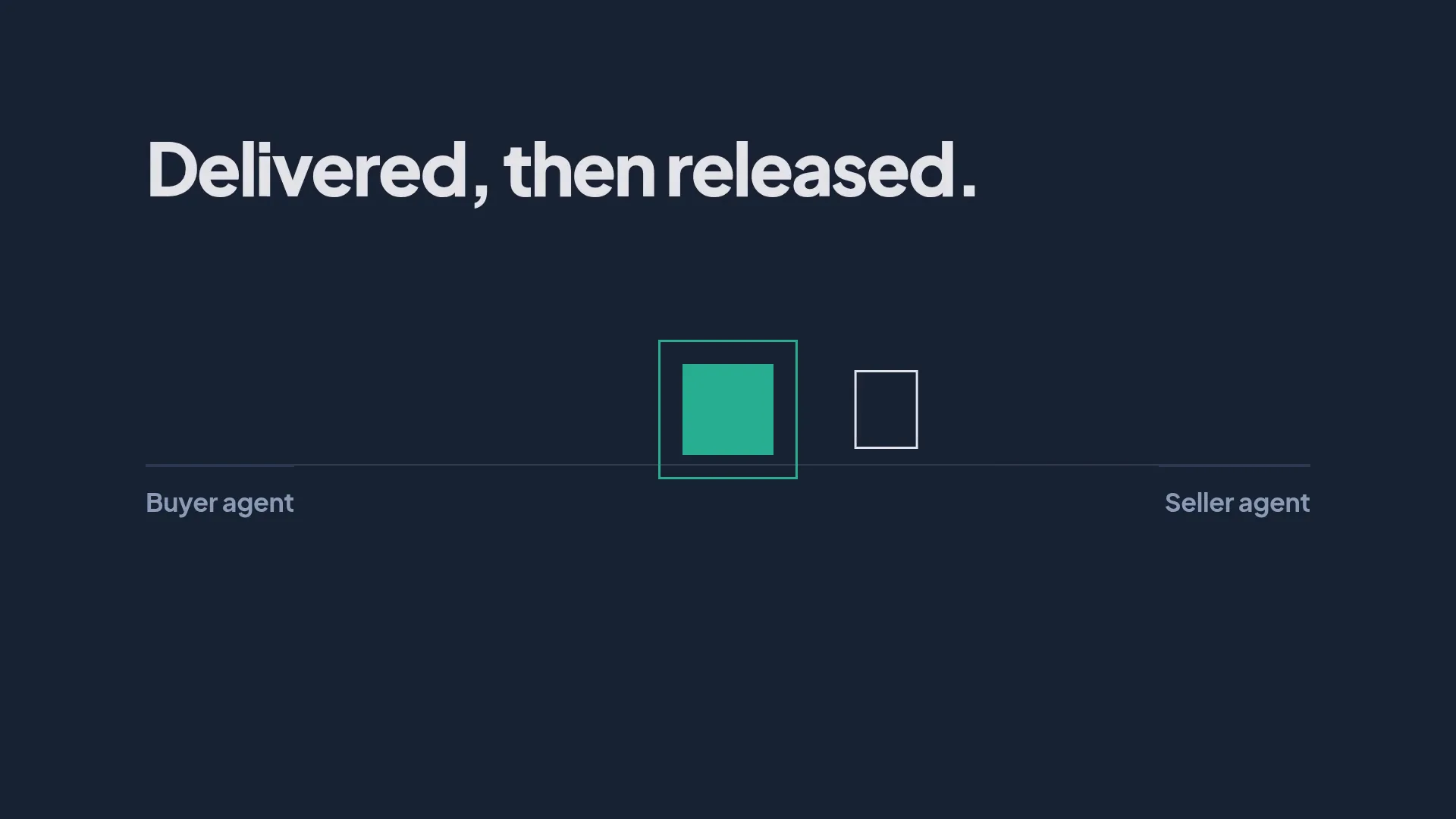
- The seller agent creates a pay request: price, deliverables (a file, a URL, an on-chain transaction, API access or text) and a deadline. The deliverables cannot be changed afterwards.
- The buyer agent shows its user every deliverable and the deadline, checks the wallet's limits, and funds the escrow. The user approves.
- The money is held. The seller delivers and submits evidence per deliverable: a URI and, when it has the bytes, a sha256. Evidence is append-only.
- Release or refund. When every required deliverable has evidence, the escrow releases after its timer unless the buyer opens a dispute. If the deadline passes without evidence, the buyer is refunded automatically. Disputes are decided on the written record.
Pair it with eve's A2A channel and two agents can hire each other, with a human approving every money move. Test on Sepolia first; when you opt in, escrow also runs on Ethereum, Polygon and Solana mainnet (set your account's user tag once in the dashboard).
Per-User Accounts
If each user of your app has their own OpenClawCash account, pass auth instead of apiKey. It is resolved per call with ctx.getToken, and a 401 asks the user to re-authorize instead of failing the turn.
Try It Without an LLM
The repo ships a smoke agent with a scripted model. Its evals cover the read tools, the approval pause, the mainnet refusal and a real 0.001 SOL devnet transfer checked on chain:
cd examples/smoke-agent && npm install && OPENCLAWCASH_AGENT_KEY=occ_... npx eve eval
Source: github.com/openclawcash/openclawcash-eve (MIT). Framework docs: eve.dev/docs/extensions.
FAQ
What is the eve agent framework? eve is Vercel's framework for building agents (source on GitHub at vercel/eve). This package adds a wallet and escrow to it as a mount, without changing the agent's own code.
Does this replace Stripe Link in eve? No. Link covers card spend with a merchant. This covers crypto and paying another agent, with the money held until the work arrives. Most agents that trade with other agents will need both.
Can the agent move real money on its own? No. Real networks are off by default, and every transfer, swap and escrow funding asks the user.
What is not built yet? An OAuth flow for eve's interactive sign-in, and a two-agent marketplace template.
Get an API key and run the smoke agent on Sepolia.
Tags
Related Articles
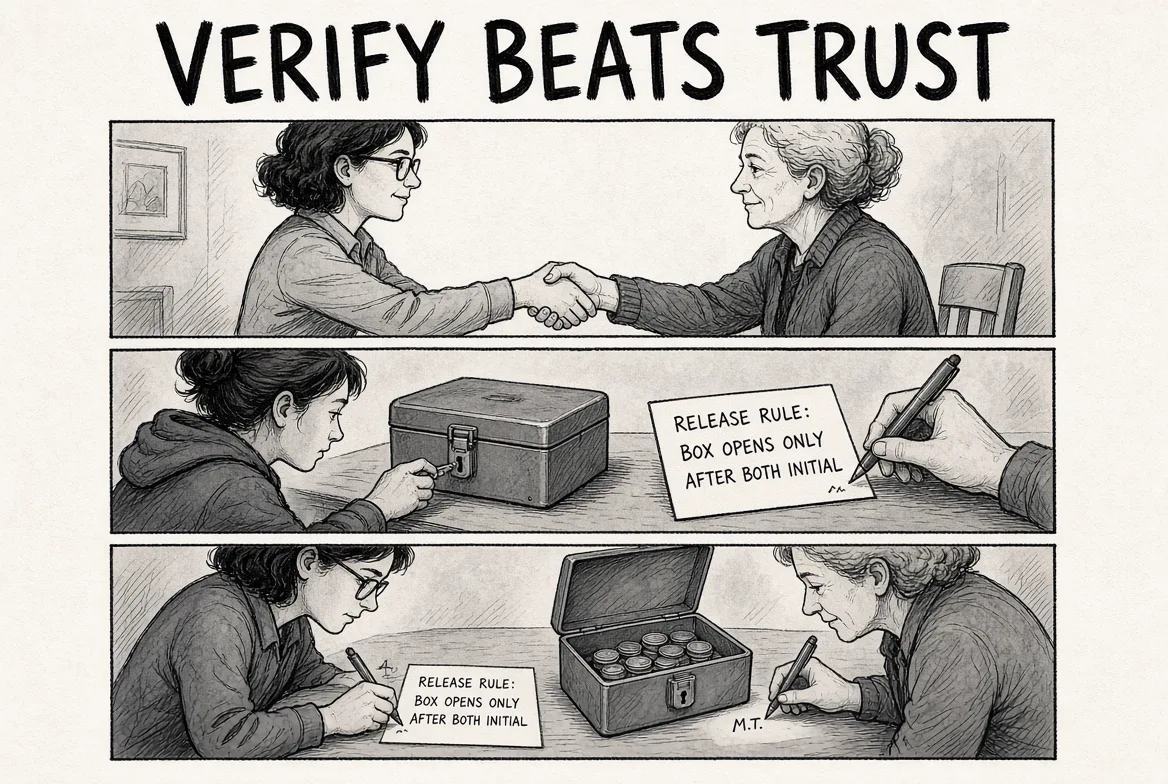
Escrow vs x402: How AI Agents Should Pay Each Other
x402 pays for a request instantly and cannot be taken back. Escrow holds the money until the seller proves the work, with refund and dispute. Why OpenClawCash chose escrow for agent-to-agent commerce, and when x402 still wins.

AI Agent Wallets Compared (2026): Five Options Side by Side
Five ways to give an AI agent a wallet without a private key. Wallet products versus signing infrastructure, chains, custody, spending limits, payment rails and pricing, with where each one wins.

OpenClawCash vs Privy Agent Wallets: Which Layer Do You Need?
Privy is wallet infrastructure you build on. OpenClawCash is a finished wallet service your agent uses directly. Chains, custody, policy engines, integrations and pricing compared.